

A note before we begin: When we use the word "tobacco" on this page, we are referring to commercial tobacco products manufactured and sold by the tobacco industry that are designed to create addiction. This is different from traditional tobacco, which holds deep cultural, ceremonial, and spiritual significance for many Native and Indigenous communities and is used in a sacred, intentional way. These are not the same thing. To learn more about traditional practices and Native and Indigenous well-being, visit our Native & Indigenous Youth page.
What is Tobacco?
Tobacco is a plant that contains nicotine, a highly addictive chemical that stimulates the brain and causes dependency. Just as cannabis is a drug class, tobacco is a drug class. Commercial tobacco products come in many forms, but they all have one thing in common: they contain and deliver harmful chemicals, including nicotine.
Nicotine is a toxic substance — the addictive chemical found in all commercial tobacco products. Historically, nicotine was sourced from the tobacco plant. Today, it's also produced synthetically in a lab. Regardless of its source, nicotine is harmful to the body and brain.
Commercial tobacco use is the single most preventable cause of disease, disability, and death in the United States. No commercial tobacco product is safe to use. And "safer" never means "safe."
In the United States alone, tobacco companies spend more than $9 billion each year on marketing, according to the Truth Initiative, much of it through price discounts and flavored products that appeal to many populations, including racial and ethnic minorities, LGBTQ+ individuals, women, youth, members of the military, and those with mental health conditions.
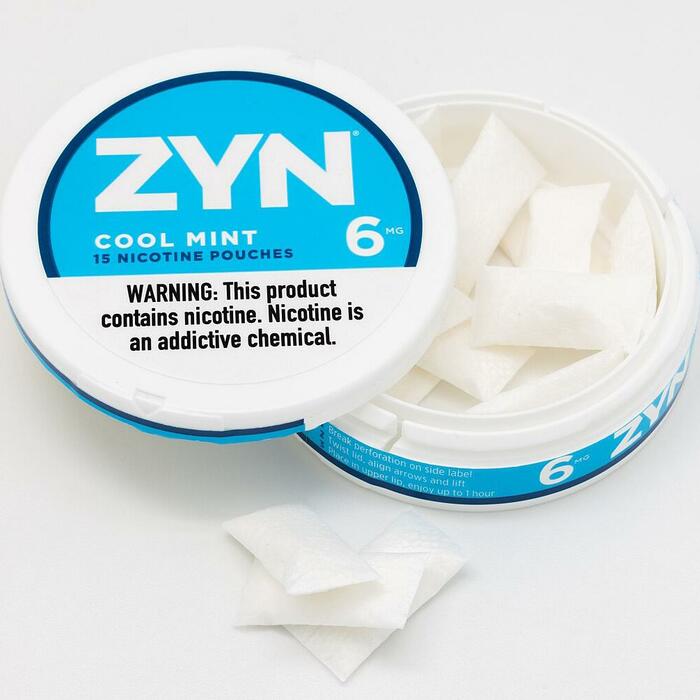
Nicotine pouches are often marketed as clean, discreet, and “spit-free.” But that doesn’t mean they’re harmless. They sit directly in the mouth and deliver nicotine through the gums, and can affect multiple systems in the body. They can:
- Damage your gums and mouth– Placing pouches against the gums can lead to irritation, mouth sores, gum disease, and gum recession, which causes long-term damage to oral tissue.
- Disrupt your digestive system– Swallowed nicotine and saliva can contribute to nausea, bloating, stomach discomfort, and heartburn.
- Trigger frequent hiccups (“niccups”)– Nicotine can irritate the diaphragm, causing repeated hiccups, a common side effect reported by pouch users.
- Contribute to bad breath– Ongoing gum irritation and bacterial buildup in the mouth may lead to persistent bad breath.
What you can do
-
Educate yourself
Learn the facts about what tobacco and nicotine products actually contain and how they affect your body.
-
Talk about it
Start open, honest conversations with trusted friends, family members, or a school counselor about the risks of tobacco and nicotine.
-
Say no
Practice strategies to resist peer pressure and avoid tobacco products of all kinds.
-
Seek help
If you or someone you know is using tobacco, help is available.
Why It Matters
Tobacco and nicotine products are designed to create addiction, and they're effective at it. The adolescent brain is especially vulnerable. Nicotine changes how the brain develops and wires itself, increasing the risk of lifelong dependency. These aren't just short-term concerns. The damage tobacco causes shows up both today and years from now.
-
Brain Impact
Your brain doesn't fully develop until around age 25. This means teens and young adults are at significantly higher risk of becoming addicted to nicotine than adults. Nicotine acts on the brain's reward system — creating intense cravings that make it very hard to stop.
Nicotine can disrupt normal brain development, making it harder to:
Remember information
Focus and pay attention
Learn new things
Manage emotions and impulse control
Nicotine can also worsen mental health conditions, including anxiety and depression.
How nicotine travels to the brain matters:
-
When smoked or vaped, chemicals are inhaled into the lungs, where the heart pumps them rapidly to the brain and the rest of the body.
-
With oral products like nicotine pouches, chemicals are absorbed through the gums and the lining of the mouth, traveling to the brain through the mucosal membrane. This creates a slower, steadier delivery, but one that is just as harmful and easier to use discreetly.
-

Physical Health Impact
Nicotine and tobacco chemicals affect nearly every organ system in the body — both immediately and over time.
Cardiovascular effects:
-
Raises heart rate and blood pressure
-
Narrows blood vessels, reducing blood flow to the brain and organs
-
Causes blood to clot faster, increasing the risk of heart attack, heart disease, stroke, and circulation problems
Gastrointestinal effects:
Nausea, vomiting, diarrhea, and indigestion
Neurological effects:
Dizziness, headache, anxiety, nervousness
Sleep effects:
Insomnia and disrupted sleep patterns
Other physical harms:
-
Increases risk of many types of cancer
-
Raises blood glucose, increasing risk for diabetes Damages gums and causes tooth decay
-
Secondhand smoke and secondhand aerosol are also dangerous to those around you, including pets
Note for teens and dual users: Many teens also consume high amounts of caffeine. Nicotine and caffeine used together compound stress on the cardiovascular system, increasing risk of heart-related effects.
Lung Impact
Tobacco products, whether smoked, vaped, or used in other inhaled forms, cause serious damage to the lungs.
Damages cilia, the hair-like structures in the airways that sweep out germs, dust, and particles
Irritates and inflames the airways
Triggers asthma flare-ups
Lowers the amount of oxygen in your bloodstream, causing shortness of breath
Weakens the lungs' ability to fight off infections
Can cause chronic obstructive pulmonary disease (COPD) and emphysema
-
-

Mental Health Impact
Nicotine addiction and the disruption it causes to brain chemistry can have lasting effects on emotional well-being.
Nicotine use is strongly linked to increased anxiety and depression
Withdrawal from nicotine, even brief periods without it, causes irritability, restlessness, trouble concentrating, and intense cravings
Nicotine can make existing mental health conditions worse
The developing brain is particularly vulnerable to the mood-altering effects of nicotine
-

Social Impact
Tobacco and nicotine use can affect relationships, school performance, and social life in ways that are easy to overlook at first.
Tobacco use is often framed as social, but peer pressure to participate can quickly turn into dependence
Nicotine addiction can affect focus, memory, and motivation, impacting academic performance
Use of tobacco products can create friction with family and caregivers
Students who use tobacco may face disciplinary actions at school
-

Financial Impact
Tobacco products aren't cheap, and the addiction they create keeps the spending going.
Regular use of nicotine pouches, e-cigarettes, or cigarettes can cost hundreds to thousands of dollars per year
Disposable vapes and single-use products are particularly expensive relative to how quickly they're used up
Underage purchase or possession of tobacco products can result in fines and legal consequences
Money spent on tobacco products is money that could be invested in education, savings, or experiences that actually build your future
-

Environmental Impact
Tobacco products cause damage well beyond the people who use them.
Discarded cigarette butts are one of the most common forms of litter worldwide and leach toxic chemicals into soil and water
E-cigarette devices, pods, and cartridges contribute to electronic waste
E-liquid spills and improperly disposed of devices release harmful chemicals into the environment
Many tobacco product components include plastics and metals that do not biodegrade
Used and unused pouches retain a significant amount of concentrated nicotine, which is highly toxic to birds, small mammals, and aquatic organisms. Ingesting discarded pouches can be fatal to household pets.
-

Extracurriculars & Athletics Impact
For teens involved in sports, performing arts, or other activities, tobacco and nicotine can directly undermine performance and commitment.
Nicotine affects lung capacity and cardiovascular performance, making physical activity harder
The body's ability to heal and recover from injury is impaired
Fatigue and health issues can lead to missed practices, games, or auditions
Many athletic organizations test for tobacco/nicotine use and may have eligibility rules
Am I Addicted? (Hooked on Nicotine Checklist)
If you answer yes to even one of these questions, it may indicate an increased dependency on nicotine. Talk with a trusted adult or healthcare provider.
- Have you ever tried to quit, but couldn't?
- Do you use tobacco now because it feels really hard to quit?
- Have you ever felt like you were addicted to tobacco?
- Do you ever have strong cravings to smoke, vape, or use tobacco?
- Have you ever felt like you really needed a cigarette, vape, or tobacco product?
- Is it hard to keep from using tobacco in places where you aren't supposed to, like school or work?
- When you tried to stop, did you find it hard to concentrate because you couldn't use tobacco?
- Did you feel more irritable because you couldn't use tobacco?
- Did you feel a strong urge to use tobacco?
- Did you feel nervous, restless, or anxious because you couldn't use tobacco?
Source: National Cancer Institute / Hooked on Nicotine Checklist
Resources to Quit or Learn More
Talk to your doctor. Your healthcare provider can connect you with nicotine cessation support appropriate for your age.
-
Quit Partner (Minnesota)
- quitpartnermn.com Free coaching for ages 18+
- Phone: 1-800-QUIT-NOW
-
My Life, My Quit™ (Ages 13–17)
- Text "Start My Quit" to 36072
- Call 1-855-891-9989 to speak with a coach
- Confidential. Built for teens.
-
Truth Initiative — Outsmart Nicotine
- Truthinitiative.org/outsmart-nicotine
- Text EXPROGRAM to 88709 (ages 13–24)
-
teen.smokefree.gov
- Tools, tips, and support for teens who want to quit
-
Wisconsin Quit Line
-
Substance Abuse and Mental Health Services Administration (SAMHSA)
Tobacco and nicotine use in adolescence is one of the most preventable health risks a young person can face. As a caregiver, staying informed, keeping conversations open and non-judgmental, and connecting your teen with the right resources can make a real difference. Visit the Confident Caregiver Page for tools to help you start the conversation.
This project is possible, fully or in part, as a result of grant funding recommended by the Opioid Epidemic Response Advisory Council (OERAC) and the Minnesota Department of Human Services. The views expressed in this publication do not necessarily reflect the official policies the Minnesota Department of Human services; nor mention of trade names, commercial practices, or organizations imply endorsement by the state of Minnesota.